
American Beech
Fagus grandifolia
Introduction
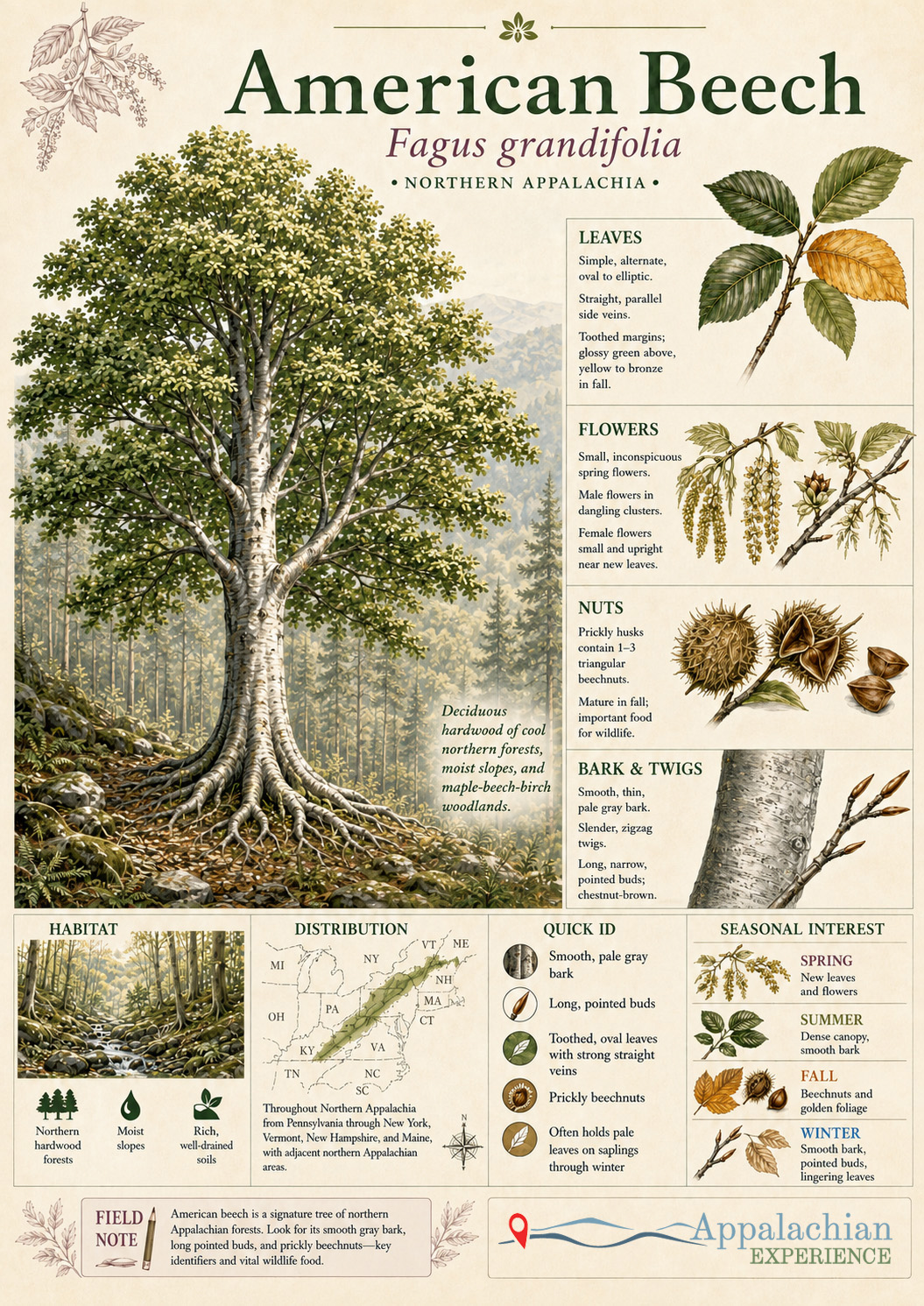
American beech is one of the quiet signatures of Northern Appalachian hardwood forests. Smooth gray bark, copper winter leaves, and dense shade make it easy to recognize once noticed.
Quick Facts
Common Name
Scientific Name
Family
Plant Type
Typical Size
Flowers / Pollen Cones
Fruit / Seed /Seed Cones
Common Habitat
Caution
American Beech
Fagus grandifolia
Fagaceae, the beech family
Deciduous hardwood tree
Commonly 50 to 80 feet tall
Small spring flowers
Triangular beechnuts in prickly husks
Northern hardwood forests, rich slopes, coves, and mature woods
Beech bark disease and beech leaf disease are concerns; bark carving damages trees
Where it Grows
In Northern Appalachia, beech is a major member of the maple-beech-birch forest. It grows with sugar maple, yellow birch, red maple, hemlock, white ash, and black cherry.
How to Identify It
Look for smooth gray bark, alternate oval leaves with straight veins and small teeth, long slender pointed buds, and beechnuts in prickly husks. Young trees often hold dead leaves through winter.
Importance to the Appalchia Ecosystem
Beechnuts are valuable mast for bears, turkeys, squirrels, deer, and many birds. Beech also builds dense shade and long-term structure in mature woods.
More trees...
Northern Appalachia
Southern Appalachia
Human Uses
Beech wood is used for flooring, furniture, fuel, handles, and turned items. Its greatest regional role, however, is ecological and visual.
Interesting Facts
Smooth gray bark makes it recognizable year-round.
Young trees often hold leaves through winter.
Beech can spread by root sprouts, forming small colonies.
Look-Alikes
Beech can be confused with hornbeam, birches, and young oaks by leaf. Smooth bark, long buds, and winter leaf retention are strong clues.
Cautions and Common Problems
Beech bark disease has changed many northern forests, and beech leaf disease is another concern. Bark carving causes lasting wounds.
Seasonal Interest
Spring brings new pale leaves. Summer is dense shade. Fall turns leaves gold to copper. Winter shows smooth bark and retained leaves.
In the Appalachian Landscape
American beech gives Northern Appalachian woods a stillness. It is a tree of smooth bark, low shade, and winter leaves that keep moving when the rest of the canopy is bare.
Sources and Further Reading
- U.S. Forest Service Silvics of North America, American Beech. https://research.fs.usda.gov/silvics/american-beech
Last reviewed: 2026-10-07
Northern Appalachian Trees
Southern Appalachian Trees
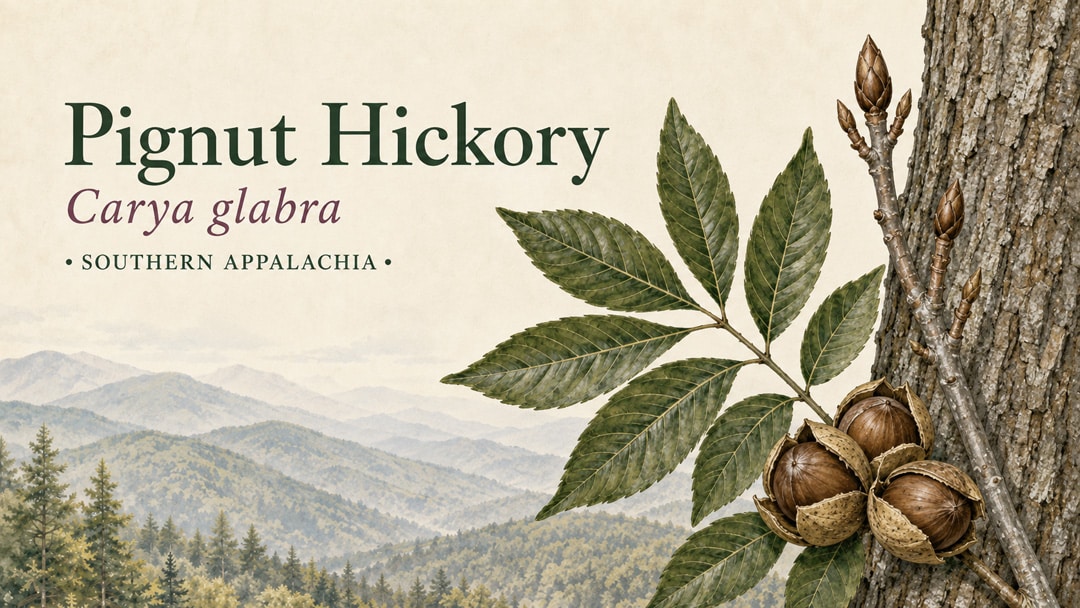
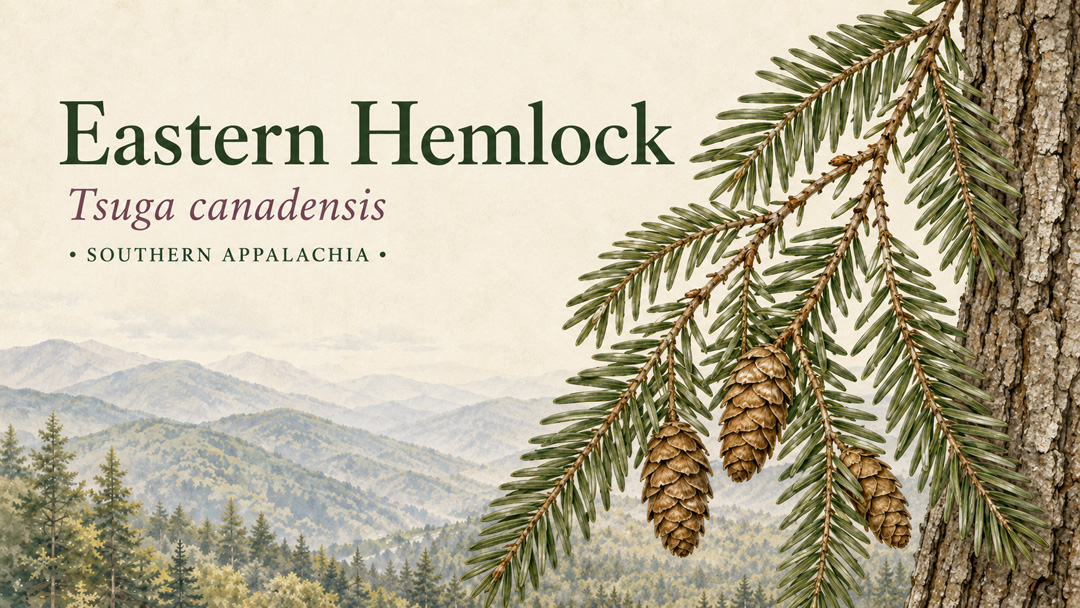
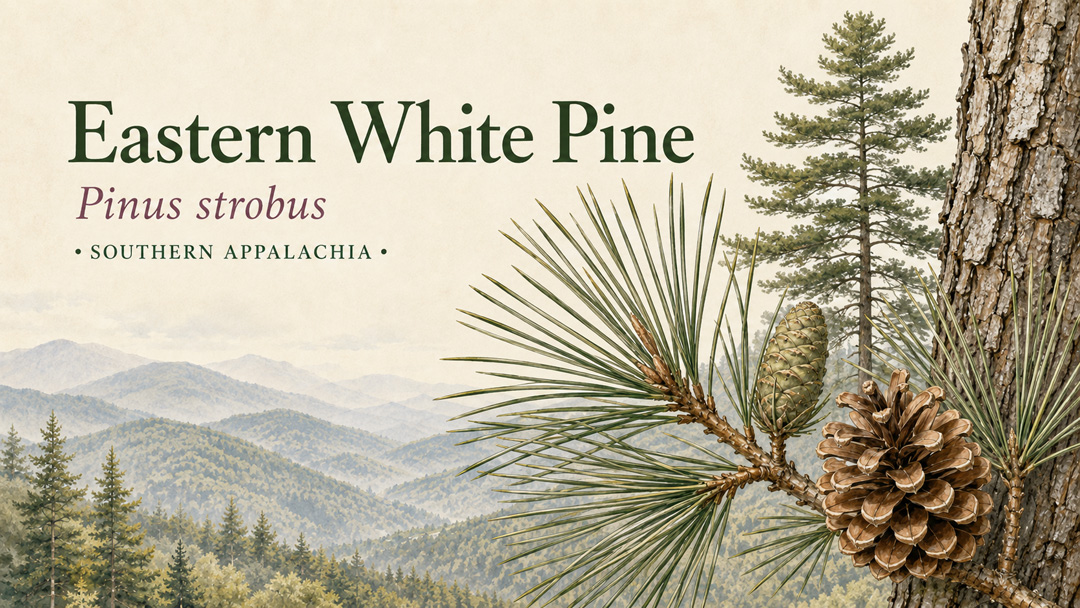
Start your journey today at Appalachian Experience—where adventure meets tradition.
Get the Appalachian Experience Newsletter
Unlock the wonders of the Appalachian Mountains! Subscribe to our newsletter for the latest updates on attractions, events, and hidden gems. Follow us on social media to stay inspired by the beauty and adventure that awaits. Join our community today!