
Paper Birch
Betula papyrifera
Introduction
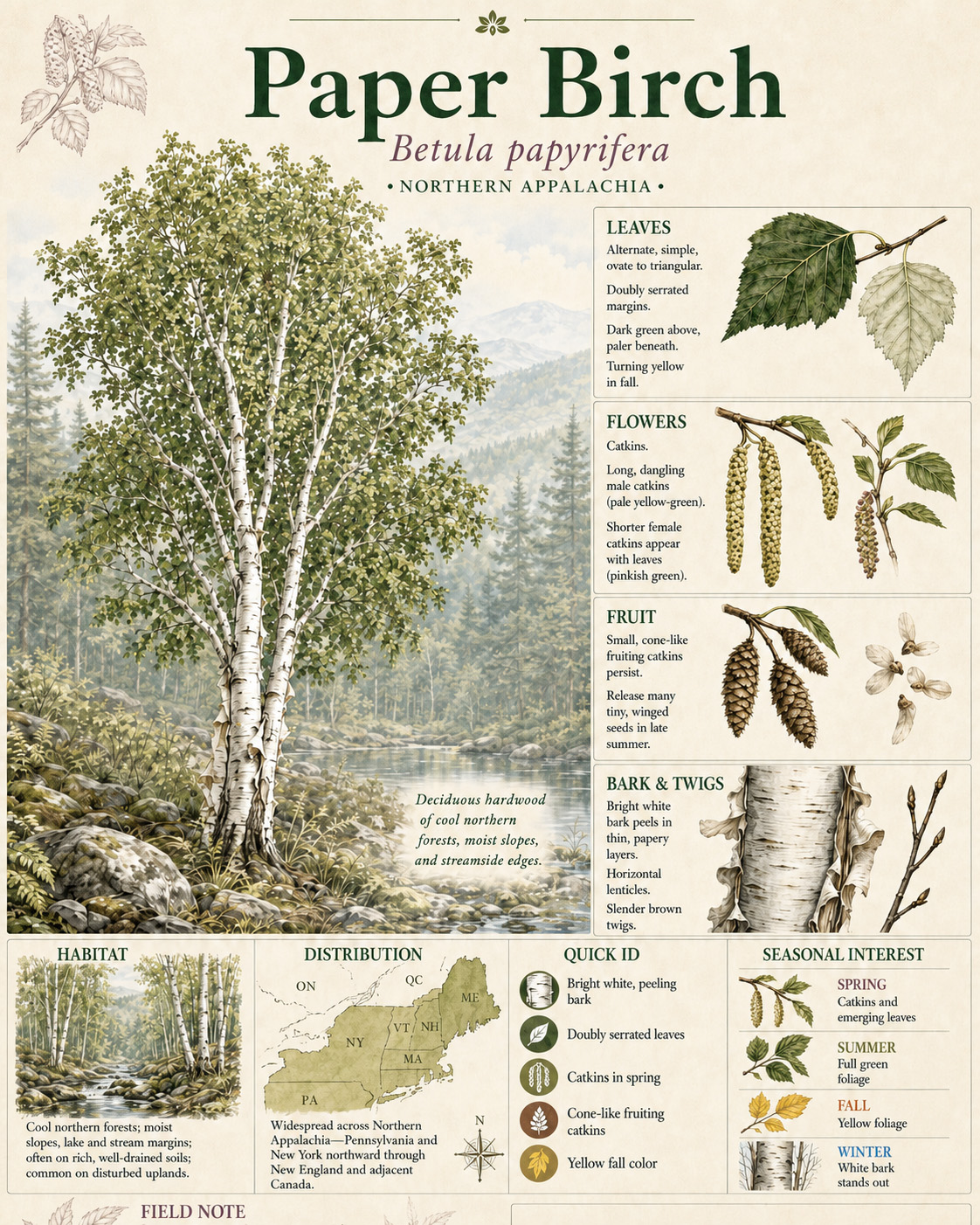
Paper birch is the white-barked birch of the northern mountains. Its pale bark lights up against dark spruce, fir, hemlock, and winter woods. In Northern Appalachia, it often marks cool sites, disturbance, and northern influence.
Quick Facts
Common Name
Scientific Name
Family
Plant Type
Typical Size
Flowers / Pollen Cones
Fruit / Seed /Seed Cones
Common Habitat
Caution
Paper Birch
Betula papyrifera
Betulaceae, the birch family
Deciduous hardwood tree
Usually 50 to 70 feet tall
Spring catkins
Tiny winged seeds
Cool northern woods, disturbed sites, old burns, high elevations, and mixed conifer-hardwood forests
Do not strip bark from living trees; thin bark makes the tree fire-sensitive
Where it Grows
In Northern Appalachia, paper birch grows in cool forests, old burns, logged areas, high elevations, and mixed woods. It is more northern than black birch and is especially associated with colder parts of the region.
How to Identify It
Look for white peeling bark with dark horizontal lines, triangular to oval toothed leaves, catkins, and a light open crown. Bark peels in papery layers, but living bark should not be removed.
Importance to the Appalchia Ecosystem
Paper birch is a pioneer tree after fire, wind, or cutting. Its seeds, buds, bark, and twigs feed wildlife, and its light canopy helps early-successional forest develop.
More trees...
Northern Appalachia
Southern Appalachia
Human Uses
The bark was historically used for canoes, containers, and craft by Indigenous peoples. The wood is used for veneer, pulp, and specialty items.
Interesting Facts
It is also called canoe birch.
Its bark is showy but living bark should not be stripped.
It is short-lived compared with many hardwoods.
Look-Alikes
Paper birch can be confused with gray birch and yellow birch. Paper birch has whiter bark than yellow birch and usually a more tree-like form than gray birch.
Cautions and Common Problems
Bronze birch borer, birch leafminer, drought, heat, and fire can damage trees. It is less suited to hot, compacted, urban sites.
Seasonal Interest
Spring brings catkins and fresh leaves. Summer shows white bark beneath green foliage. Fall color is yellow. Winter makes the bark most visible.
In the Appalachian Landscape
Paper birch changes the light of a northern Appalachian slope. Its white trunks stand out in fog, snow, and dark conifer edges.
Sources and Further Reading
- U.S. Forest Service Silvics of North America, Paper Birch. https://research.fs.usda.gov/silvics/paper-birch
Last reviewed: 2026-10-07
Northern Appalachian Trees
Southern Appalachian Trees
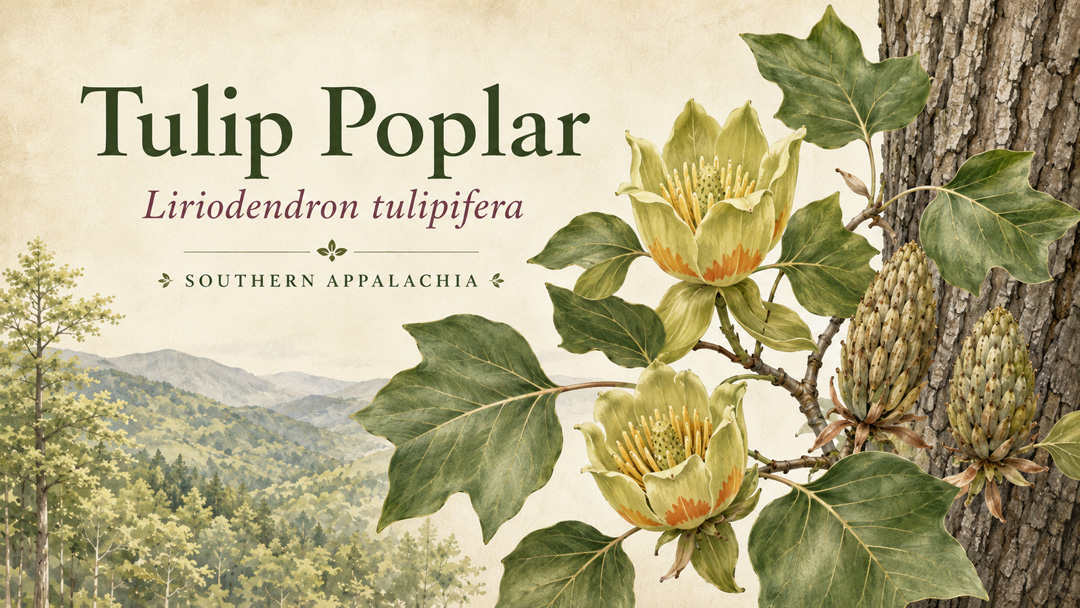
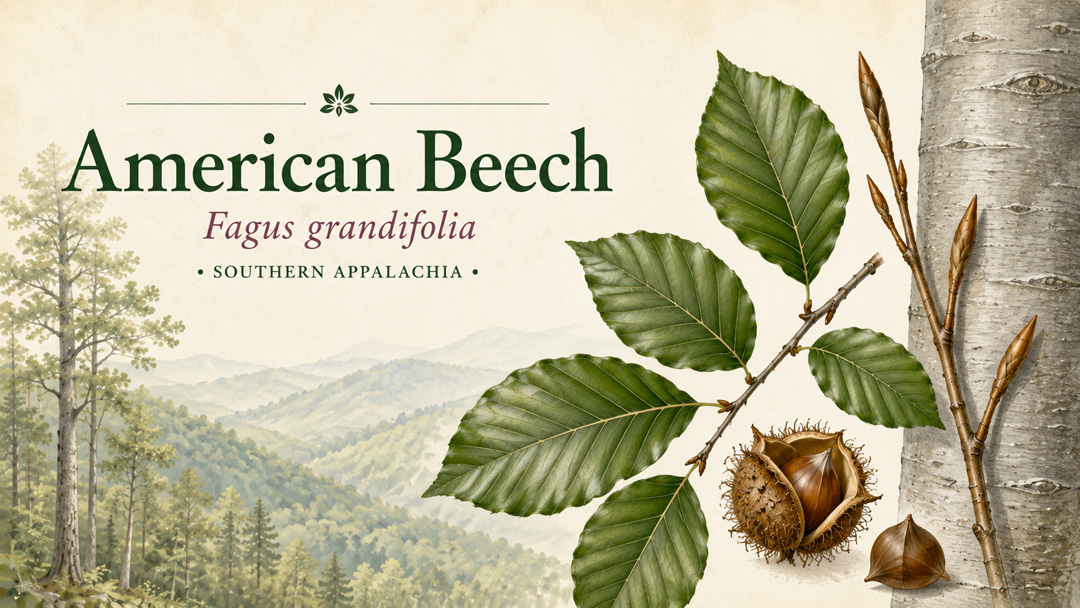
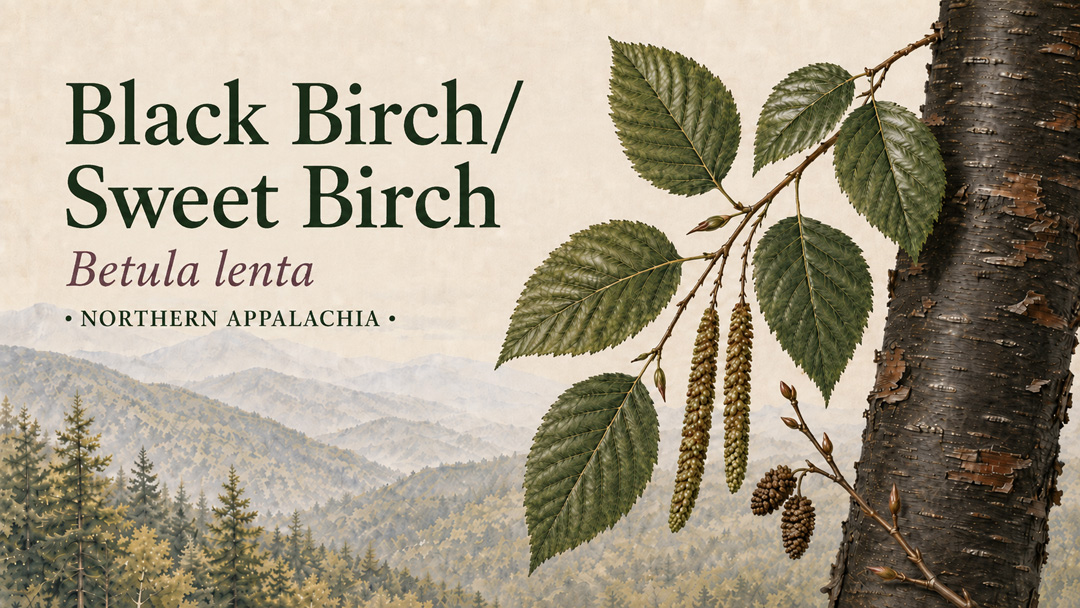
Start your journey today at Appalachian Experience—where adventure meets tradition.
Get the Appalachian Experience Newsletter
Unlock the wonders of the Appalachian Mountains! Subscribe to our newsletter for the latest updates on attractions, events, and hidden gems. Follow us on social media to stay inspired by the beauty and adventure that awaits. Join our community today!